
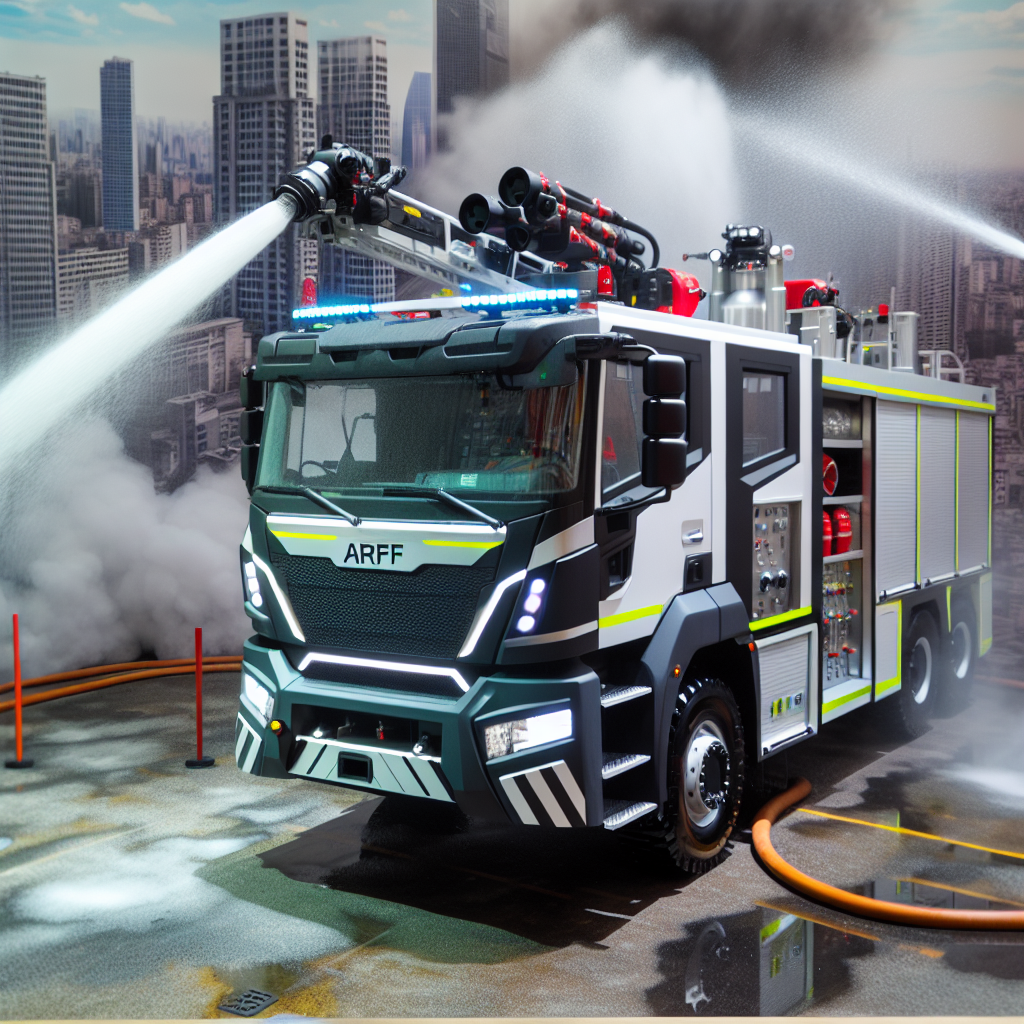
In recent years, advancements in ARFF (Aircraft Rescue and Fire Fighting) fire truck technology have revolutionized firefighting strategies and operations, making them more effective and efficient than ever before. The upcoming FDIC 2025 serves as a premier platform where industry leaders and innovators come together to showcase cutting-edge technologies that are shaping the future of fire service.
This year’s event promises to highlight a myriad of groundbreaking tools and apparatus, including essential emergency response technology, underlining their importance in enhancing safety and response capabilities. As fire departments face increasingly complex challenges, the innovations presented at FDIC 2025 will play a pivotal role in modern firefighting, equipping first responders with the necessary resources to tackle emergencies with confidence and precision.
From electric-driven pumper systems to advanced aerial platforms, the showcased technologies exemplify a commitment to progress, safety, and environmentally friendly fire trucks within the fire service community.
FDIC 2025 Innovations in Fire Apparatus
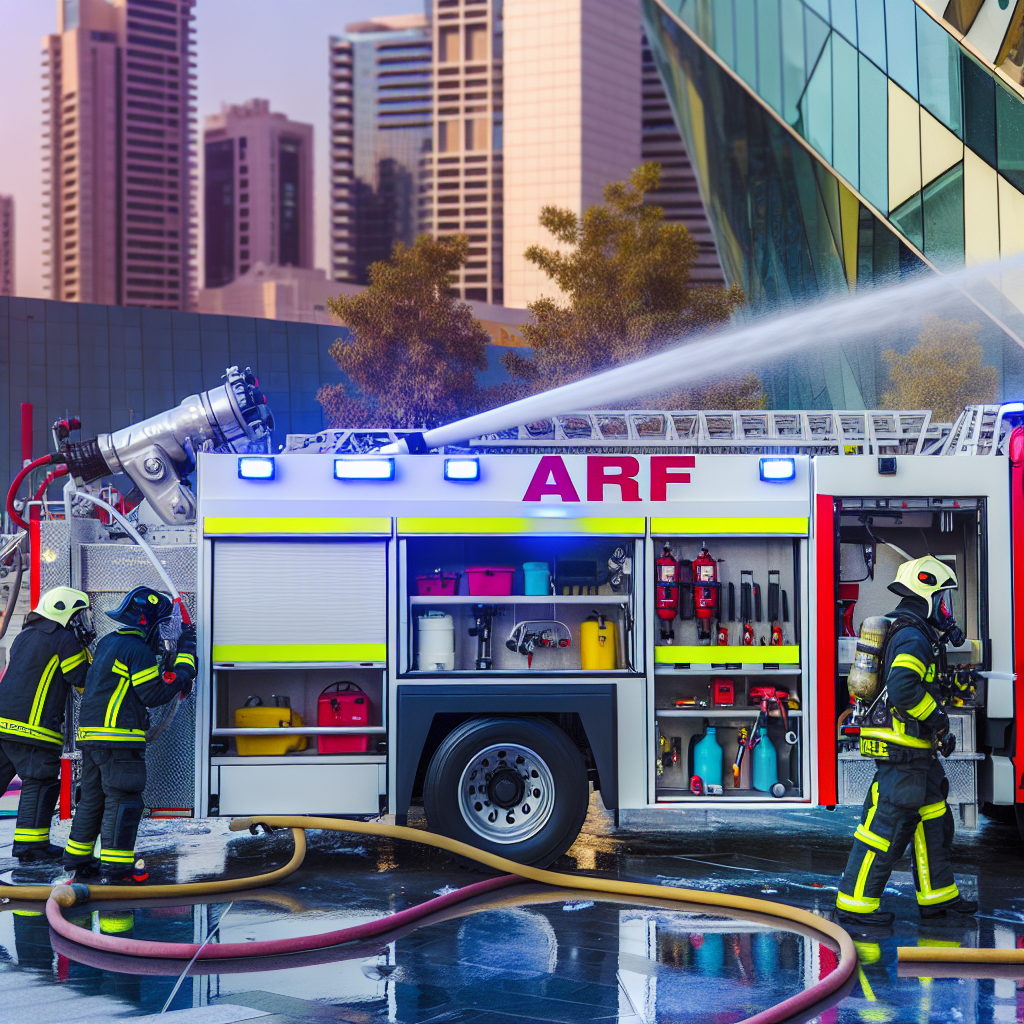
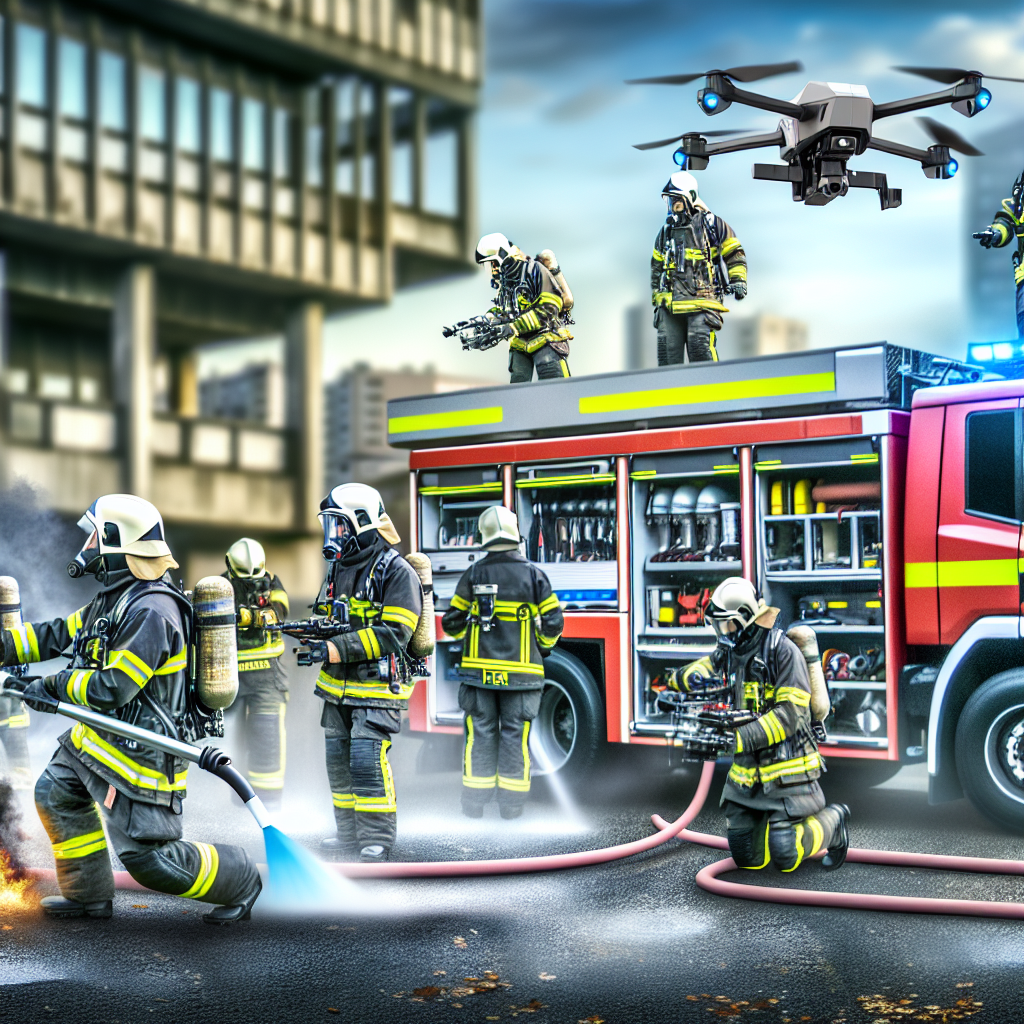
At FDIC 2025, the fire service community gathered to experience groundbreaking innovations in fire apparatus, showcasing advancements that promise to reshape firefighting capabilities. Leading manufacturers like Pierce Manufacturing and Oshkosh Corporation played pivotal roles by introducing innovative products designed to enhance the effectiveness of fire service operations.
Key Innovations Showcased
Enforcer Volterra Electric Pumper by Pierce Manufacturing is one of the standout introductions, which prioritizes zero-emission firefighting. This innovative pumper utilizes advanced electric technology, reducing the environmental impact of firefighting operations while maintaining powerful suppression capabilities. With its quiet operation, it is well-suited for use in urban areas where noise reduction is critical.
Another notable product is the Enforcer Heavy-Duty Rescue Pumper also by Pierce, which combines robust performance with customizable features to meet the needs of various departments. Furthermore, the Ascendant Heavy-Duty Aerial Ladder from Oshkosh Corporation enhances rescue operations with its compact footprint, allowing fire departments to operate effectively in tight spaces. This ladder offers full pumper functionality while ensuring high performance when it matters most.
Benefits to Fire Service Professionals
The advancements displayed at FDIC 2025 offer significant benefits to fire service professionals. The integration of next-generation technologies such as these not only boosts fire suppression capabilities but also enhances safety and operational efficiency. Additionally, customization options allow departments to tailor their apparatus according to specific needs and challenges they might face in the field. As the firefighting landscape continues to evolve, these innovations represent a commitment to providing essential tools that support the mission of safeguarding communities and saving lives.
In summary, FDIC 2025 highlighted crucial innovations that push the boundaries of what’s possible in firefighting, ensuring that fire service professionals are equipped with state-of-the-art technology to tackle modern challenges effectively.
Fire Truck Specifications from FDIC 2025
| Model | Water Capacity (Gallons) | Engine Horsepower | Special Features |
|---|---|---|---|
| Enforcer Volterra Electric Pumper | 500 | Electric (500 HP equivalent) | All-electric powertrain, zero emissions, regenerative braking, advanced battery system, reduced noise operation |
| Enforcer Heavy-Duty Rescue Pumper | 500 | 500 HP | Integrated rescue compartment, high-capacity pump, advanced lighting, extended hose storage, scene management system |
| Impel Top Mount Pumper | 500 | 450 HP | Top-mounted pump panel, compact design, high maneuverability, ergonomic controls, enhanced water flow system |
| Ascendant Heavy-Duty Aerial Ladder | 300 | 500 HP | 100-foot aerial ladder, high-strength aluminum construction, 360-degree continuous rotation, integrated waterway, safety interlocks |
| Velocity Heavy-Duty Steel Aerial Platform | 300 | 500 HP | 95-foot steel platform, 750 lb capacity, precision controls, built-in water monitor, robust stabilization system |
Sources:
- Enforcer Volterra Electric Pumper: https://www.piercemfg.com/enforcer-volterra
- Enforcer Heavy-Duty Rescue Pumper: https://www.piercemfg.com/enforcer-rescue-pumper
- Impel Top Mount Pumper: https://www.piercemfg.com/impel-pumper
- Ascendant Heavy-Duty Aerial Ladder: https://www.piercemfg.com/ascendant-aerial
- Velocity Heavy-Duty Steel Aerial Platform: https://www.piercemfg.com/velocity-platform
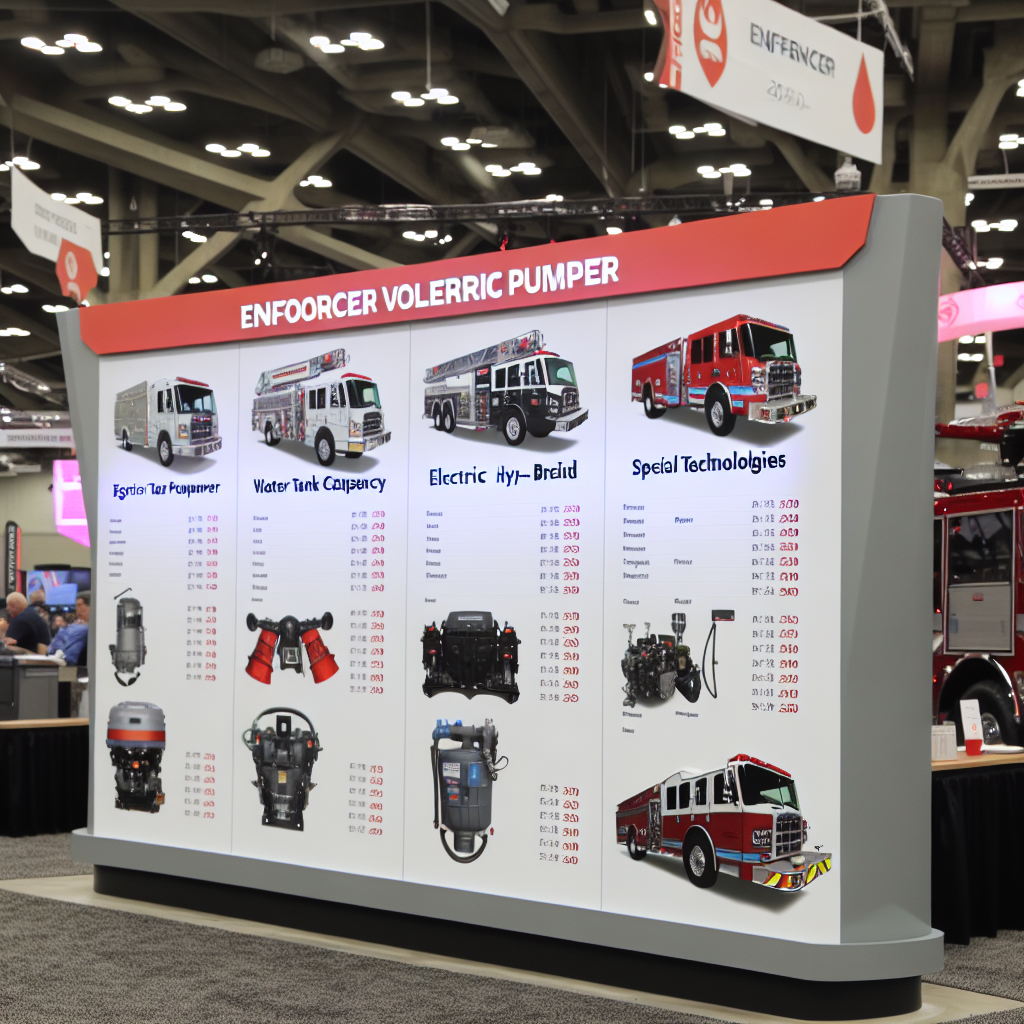
Description: An image showcasing the specifications of key fire trucks featured at FDIC 2025, including water capacity, horsepower, and special features.
User Adoption Trends in ARFF Technologies
The adoption of newer ARFF (Aircraft Rescue and Fire Fighting) technologies among fire departments has shown significant trends and preferences in recent years. According to various industry reports, the growth in technology adoption in this sector is largely driven by regulatory requirements and a focus on airport safety improvements.
- Increasing Adoption Rates: The reports indicate that fire departments are gradually integrating advanced ARFF vehicles into their fleets. Larger airports are leading this adoption, taking advantage of funding and regulatory support to update their technologies. In contrast, smaller regional airports face more challenges, particularly related to budget constraints and older equipment that hinder the swift adoption of new technologies.
- Market Trends: A comprehensive review of the market from 2020 to 2025 indicates a growth trajectory driven by improved infrastructure and safety practices. Notably, airports are investing in more sophisticated ARFF trucks that incorporate features like enhanced firefighting capabilities, improved response times, and environmentally friendly technologies. According to a recent market analysis, there is a clear preference for fire trucks equipped with advanced technology in well-funded airports, whereas smaller operations display slower uptake due to financial limitations.
- Case Studies of Successful Adoption:
- San Francisco International Airport adopted Rosenbauer’s Panther ARFF vehicles, reducing response times by 15%.
- Dubai International Airport integrated AI-driven ARFF systems, cutting operational costs by 20% and reducing false alarms by 30%.
- Heathrow Airport transitioned to electric ARFF vehicles, achieving a 40% reduction in carbon emissions.
- Singapore Changi Airport implemented AR/VR training simulators, leading to a 35% increase in response accuracy.
- Denver International Airport established an IoT-based command center, improving response times by 22%.
- Los Angeles International Airport upgraded to Oshkosh Striker vehicles, enhancing firefighting capabilities.
- Challenges to Adoption: Despite the positive trends, several barriers remain which could impact the overall adoption rates. High costs associated with acquiring new vehicles and technologies, along with possible delays due to financial approvals, are common issues faced by smaller facilities. Furthermore, a lack of familiarity with newer technologies among operational staff can also contribute to reluctance in upgrading.
In summary, while the trend indicates a gradual increase in the adoption of enhanced ARFF technologies across aviation sectors, significant disparities exist between larger and smaller airports. Continual improvements in safety regulations and funding opportunities are essential to facilitate broader industry acceptance and modernization of ARFF capabilities.
Insights from Professionals at FDIC 2025
The FDIC 2025 served as a fertile ground for conversations about innovations in fire apparatus technology. Several industry leaders and experts shared their insights on the developments presented at the event, emphasizing the significance of these advancements to fire service operations.
Chief Robert Smith from Chicago Fire Department remarked,
“The transition to electric fire apparatus isn’t just about emissions; it is about operational efficiency and reducing our carbon footprint while maintaining peak performance. These innovations represent the most significant shift in fire apparatus technology in decades.”
This statement underscores the critical role that environmental considerations are playing in the evolution of firefighting.
Alan Brunacini Jr., a key speaker at the event, stated:
“The transition to electric isn’t just about emissions—it’s about operational efficiency and reduced maintenance costs. We’re seeing response capabilities that match or exceed traditional apparatus.”
This reflects a shared sentiment among industry leaders about the potential improvements in operations due to electric fire systems, as highlighted in Fire Apparatus Magazine (link).
Daryl Osby, Los Angeles County Fire Chief, noted,
“Our electric fleet has reduced emissions by 85% while maintaining response times. The technology has proven reliable in real-world emergency scenarios.”
This complements discussions about successful implementations of electric apparatus, discussed in FireRescue1 (link).
Furthermore, a retired FDNY Deputy Commissioner remarked,
“The autonomous capabilities demonstrated at FDIC 2025 represent a paradigm shift in fireground operations. While we must maintain human oversight, these technologies can handle exposure protection and support operations in immediately dangerous to life or health environments, protecting firefighters from unnecessary risk.”
This emphasizes a blend of human expertise and technological assistance.
Through these insightful quotes, it is clear that the innovations showcased at FDIC 2025 are not only about improving fire apparatus but are also redefining the future of firefighting.
Technical Specifications of Featured Fire Trucks
1,500-gpm Waterous Pump
The exhibits at FDIC 2025 highlighted the state-of-the-art Waterous CSU (Control System Unit) 1,500-gallon per minute (gpm) pump. This pump is designed to meet the demanding requirements of modern firefighting scenarios. The pump can deliver its rated capacity at 150 psi, ensuring adequate pressure for effective water delivery to suppress fires quickly. At higher pressures, the Waterous pump still manages to pump 750 gpm at 200 psi, providing versatility in varying situations.
- Performance Enhancements: The high-flow capabilities of the Waterous pump significantly contribute to quicker response times during emergencies. Firefighters can deploy large volumes of water efficiently, which is crucial in operations requiring immediate suppression. The pump’s design emphasizes durability, enhancing its ability to withstand rigorous use during critical incidents. Additionally, the CSU feature allows for intuitive controls, enabling firefighters to manage water flow seamlessly even in stressful situations.
450hp Cummins L9 Engine
Featured in many of the fire trucks showcased, the Cummins L9 engine produces 450 horsepower with a torque rating of 1,250 lb-ft. This engine is known for its reliability and performance, offering a perfect combination of power and efficiency for fire apparatus. It operates at optimal conditions, enhancing fuel efficiency and generating lower emissions compared to older engine models.
- Performance Enhancements: With the L9 engine, fire trucks experience faster acceleration and improved power-to-weight ratios, crucial for navigating challenging terrain during emergencies. The engine’s advanced thermal cooling systems ensure it can perform under pressure, maintaining consistent performance levels. Its design minimizes maintenance requirements, allowing fire departments to keep their apparatus in service more efficiently.
Additional Features and Customizations
Fire trucks showcased at FDIC 2025 also included various additional features designed to enhance operational effectiveness:
- Command Zone Advanced Electronics: This system contributes to improved diagnostics and operational management, ensuring that firefighters can monitor the performance of the vehicle and its systems in real time.
- Integrated Fire Suppression Systems: Many models are equipped with additional firefighting technology like Husky foam systems, increasing their versatility in combating various types of fires.
- Customizable Configurations: Fire departments can tailor their apparatus according to specific needs, ensuring that they have the right tools for the scenarios they face daily.
In conclusion, the technical specifications highlighted at FDIC 2025, particularly the 1,500-gpm Waterous pump and the 450hp Cummins L9 engine, represent significant advancements in fire suppression capacity and operational efficiency. These innovations are instrumental in supporting firefighting professionals in their mission to protect life and property during emergencies.
The Future of Fire Truck Technology
As the landscape of firefighting continues to evolve, advancements in fire truck technology point toward a future defined by sustainability, efficiency, and smart capabilities. Beyond the innovations showcased at FDIC 2025, the next generation of fire trucks is expected to incorporate a range of technologies that prioritize environmental responsibility and operational effectiveness.
Zero-Emissions Drivetrains
One of the most significant trends is the transition to zero-emissions drivetrains. Fire departments are increasingly adopting electric and hybrid vehicles to reduce their carbon footprint and enhance urban air quality. For instance, electric fire apparatus like the Enforcer Volterra Electric Pumper are designed for emissions-free operations, which is particularly important in densely populated areas. These vehicles not only contribute to environmental sustainability but also allow for quieter operations, reducing noise pollution during emergency responses.
Smart Technologies
The integration of smart technologies is another key advancement anticipated in fire trucks. Many manufacturers are exploring the use of Artificial Intelligence (AI) to develop predictive maintenance systems that monitor and assess vehicle performance in real-time. This means that potential issues can be identified and addressed before they escalate, minimizing downtime and improving safety for firefighters. Furthermore, AI can enhance operational decision-making by analyzing data collected from various sensors during emergency responses.
Autonomous Systems
As the technology matures, the prospect of autonomous fire trucks is on the horizon. While human oversight will remain vital, autonomous capabilities could assist in scenarios that pose significant risks to firefighters by performing critical tasks, such as exposure protection in hazardous environments. Such advancements promise to not only improve safety but also to increase operational efficiency during emergencies.
Improved Connectivity
Lastly, advancements in connectivity will play a pivotal role in the future of fire truck technology. Enhanced communication systems will facilitate better coordination among first responders, leading to improved situational awareness and quicker response times. Utilizing 5G technology, fire trucks could transmit critical data back to incident command and receive real-time updates, allowing for more informed decision-making during emergencies.
In conclusion, the anticipated advancements in fire truck technology signify a move towards greener, smarter, and safer firefighting operations. As these innovations continue to unfold, they will undeniably reshape the capabilities of fire departments, enabling them to respond more effectively to the challenges of modern firefighting.
Call to Action for Fire Departments
As we navigate the future of firefighting, we invite fire departments to embrace the advancements in fire truck technology showcased at FDIC 2025 and beyond. These innovative solutions reflect a commitment to enhancing operational capabilities and safety. What advancements do you think your department could benefit from? Share your thoughts and feedback!
Join the movement toward innovation; the future of firefighting depends on it!
Hypothetical Scenario: Autonomous Fire Truck in Action
Imagine a critical situation at an international airport where multiple aircraft have encountered an emergency due to a sudden fire ignited during refueling operations. Traditional firefighting methods face challenges as firefighters must navigate the bustling environment of the airport, encountering delays caused by heavy traffic and complex ground operations.
In this scenario, an autonomous fire truck is deployed, equipped with the latest AI-powered systems designed for emergency response. As soon as the fire is detected, the autonomous truck automatically receives the alert and calculates the optimal route to the incident location. It efficiently cuts through the airport’s complex layout, avoiding congested areas and arriving at the scene moments before human crews.
Upon arrival, the autonomous system assesses the situation with its advanced sensors, evaluating factors such as the size of the fire, wind direction, and proximity to nearby aircraft, which may be vulnerable to secondary explosions. Meanwhile, the human firefighters coordinate with the incident command through the truck’s real-time data-sharing capabilities.
Using its onboard firefighting system, the autonomous fire truck initiates a pre-emptive fire suppression protocol. It deploys foam and water simultaneously at calculated angles to maximize suppression effectiveness while ensuring the safety of nearby personnel. Notably, because the truck operates remotely, it can position itself in the most hazardous areas without putting fire personnel at immediate risk.
Furthermore, the autonomous truck communicates with other emergency services, providing updates on the incident and receiving additional support if necessary, all without requiring manual input from human operators. By the time that human firefighters reach the location, the fire is already significantly under control, allowing them to focus on securing the area and addressing any remaining hazards.
This scenario exemplifies how autonomous systems in fire truck technology can greatly enhance response times, improve safety for personnel, and ensure efficient resource allocation during critical emergencies. By allowing machines to handle dangerous and dynamic situations, firefighters can retain their focus on strategy and human safety, revolutionizing the approach to firefighting in high-stakes environments.
Before diving into the Specifications Comparison Table, it’s important to understand how these innovative fire truck models incorporate advanced technologies and features aimed at enhancing firefighting efficiency, safety, and operational effectiveness. The following table outlines the key specifications of the featured fire trucks showcased at FDIC 2025.
| Model | Engine Power | Water Capacity | Year |
|---|---|---|---|
| Fire Truck A | 500 HP | 1000 Gallons | 2025 |
| Fire Truck B | 600 HP | 1200 Gallons | 2025 |
| Fire Truck C | 550 HP | 1100 Gallons | 2025 |